Highlights
Top Insights
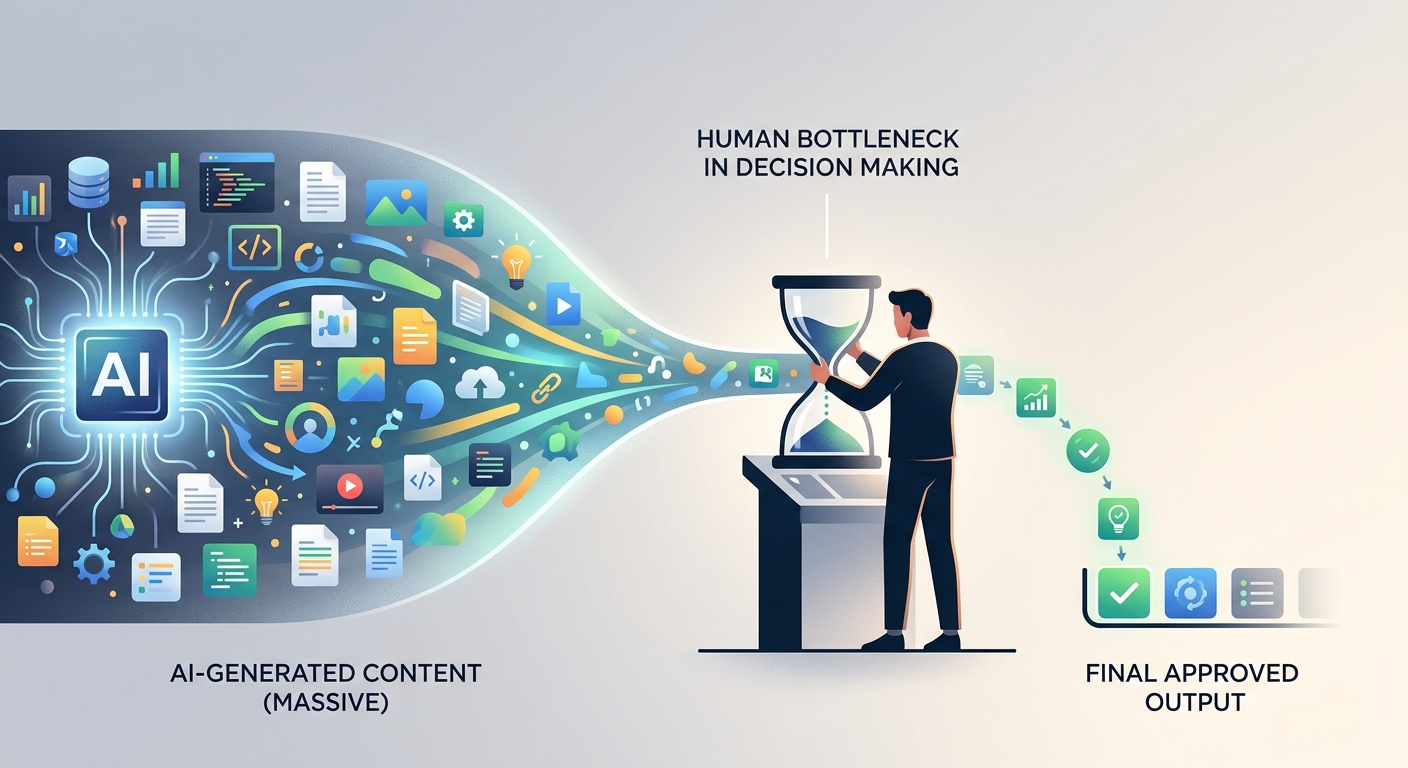
Many companies are spending heavily on AI capability building, yet over 60% report little or no ROI and nearly 80% of AI transformations fail to deliver expected impact. The core problem is that organizations measure training completion instead of business outcomes.
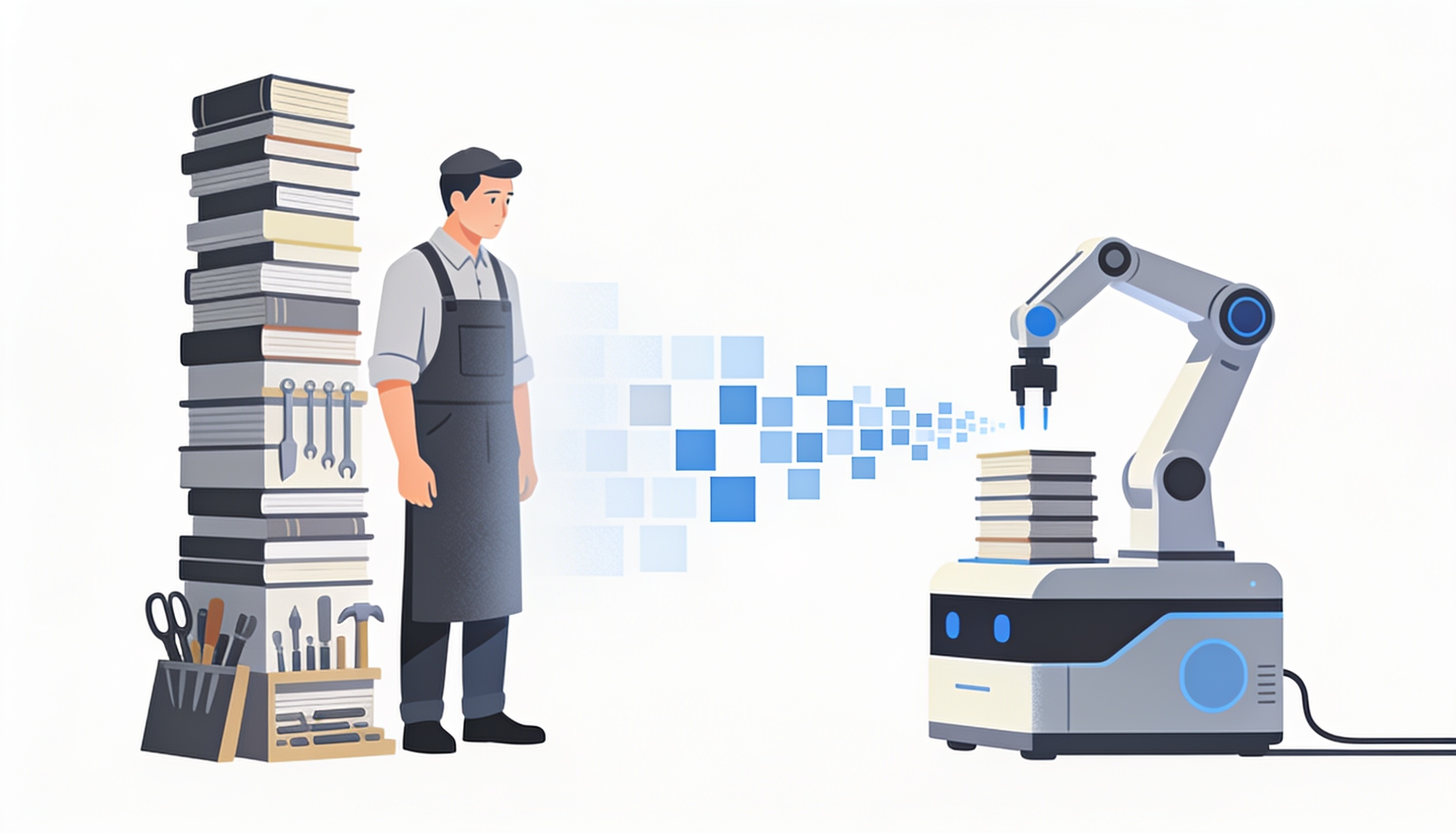
Employees frequently resist AI not because they lack skills, but because AI changes how they create value. People who built careers on expertise may struggle when AI starts performing part of that expertise.
People revert to old habits when performance systems continue rewarding old behaviors. Training alone rarely survives real operational pressure.
Competitive advantage may come less from having AI and more from adopting it faster than competitors. Companies that shorten the time between learning and execution can compound gains.
Source: From AI Upskilling to AI Performance: Five Questions Every CEO Should Ask (BCG)
Top News
1. Anthropic launched Claude Fable 5 as a safeguarded Mythos-class model.
2. Google released DiffusionGemma, an experimental open model that uses text diffusion for faster parallel generation.
3. Apple previewed Siri AI and a next-generation Apple Intelligence architecture across its software platforms. Apple expanded its Foundation Models framework so apps can use on-device Apple Intelligence models and compatible cloud models.
4. Microsoft 365 Copilot added GitLab Issues and Asana connectors for querying project and engineering data inside Microsoft workflows.
5. Visa and OpenAI have partnered to let ChatGPT act as a true shopping agent by linking users’ Visa cards.
Additional Insights
1. Seeing real value from AI depends on being able to verify its outputs (Ideas Made to Matter)
1. AI Model Releases and Advancements
Anthropic launched Claude Fable 5 as a safeguarded Mythos-class model for general users and positioned Mythos 5 for more controlled advanced access. (Anthropic)
Google released DiffusionGemma, an experimental open model that uses text diffusion for faster parallel generation. (Google Developers Blog)
Unisound released U2, a general-purpose agentic model aimed at decomposing and completing long real-world workflows. (PR Newswire)
Apple previewed Siri AI and a next-generation Apple Intelligence architecture across its software platforms. (Apple)
2. AI Tools and Features
Apple announced Xcode 27 with integrated coding agents from Anthropic, Google, and OpenAI. (Apple)
Apple expanded its Foundation Models framework so apps can use on-device Apple Intelligence models and compatible cloud models. (Apple Developer)
Microsoft 365 Copilot added GitLab Issues and Asana connectors for querying project and engineering data inside Microsoft workflows. (Microsoft)
Snowflake made Claude Fable 5 available in private preview on Cortex AI for governed enterprise AI workflows. (Snowflake)
Snowflake introduced preview evaluation metrics for Cortex Agent tool use. (Snowflake Docs)
OpenAI and Oracle announced that OCI customers will be able to use eligible Universal Credits for OpenAI frontier models and Codex. (OpenAI)
OpenAI expanded Lockdown Mode to personal ChatGPT accounts and self-serve ChatGPT Business accounts. (OpenAI)
Google Cloud added case-search capabilities to Google SecOps SIEM Search for faster security investigations. (Google Cloud)
Visa and OpenAI have partnered to let ChatGPT act as a true shopping agent by linking users’ Visa cards so the AI can find, purchase, and pay for products at virtually any Visa-accepting merchant, with fraud protection, spending controls, and approval safeguards built in. (ABC News)
3. AI Trends
AI pricing pressure intensified as businesses increasingly optimize model usage around price per task. (The Wall Street Journal)
AI-enabled phishing and text-message scams escalated, with Google suing an alleged operation tied to Gemini-assisted phishing templates. (The Wall Street Journal)
Anthropic’s first Public Record survey found curing disease was Americans’ top stated hope for AI. (Anthropic)
Small-business AI adoption continued to rise, with evidence of faster diffusion than many earlier general-purpose technologies. (SBE Council)
4. AI for science
Nature reported that a new benchmark of unseen mathematics problems still favors top human expertise over AI systems. (Nature)
NEJM AI argued that peer-reviewed, open-source medical AI assistants may need publication-style accountability. (NEJM AI)
Nature highlighted research showing people are turning to generalist LLM chatbots for health information. (Nature)
AI retrosynthesis work called RETROSPECT was accepted to the ICML 2026 AI for Science Workshop. (Times of India)
5. Others
The JUNO Collaboration published its first major reactor-neutrino oscillation results in Nature. (Nature)
A Nature paper reported major logical-error-rate improvements on a trapped-ion quantum processor. (Nature)
Life Biosciences dosed the first patient in a cellular reprogramming therapy trial aimed at glaucoma. (Business Insider)
Nature covered a hybrid refinery process that turns lignin into a high-yield ingredient for nylon. (Nature)
Nature reported precise base editing of human embryos, drawing both scientific interest and ethical concern. (Nature)