Highlights
Top Insights
1. Although 78% of organizations are increasing AI spending, 93% of that investment goes to tech and data, not people or work design. This imbalance explains why most companies fail to achieve expected ROI from AI: the technology is ready, but the workforce, roles, and workflows aren’t.
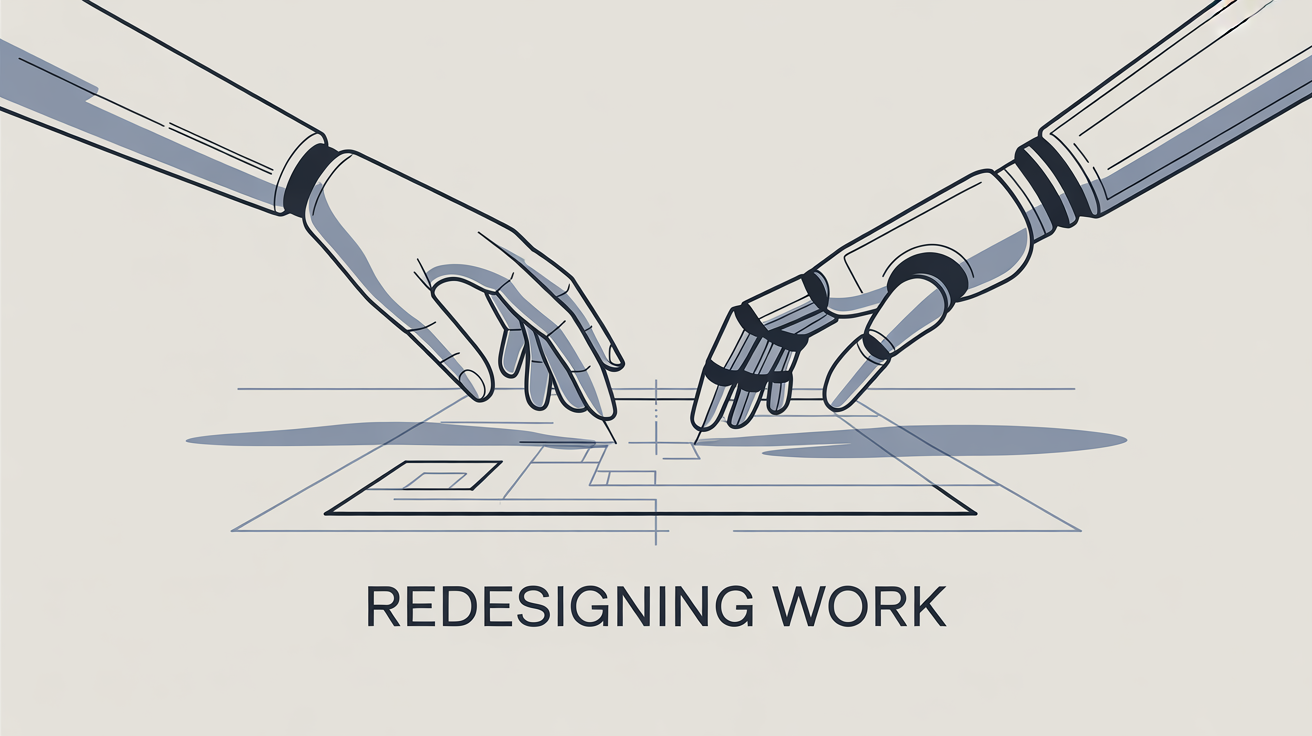
2. Only 16% of organizations integrate work redesign into their AI strategy, yet those that do are twice as likely to exceed ROI expectations. Work design asks: What outcomes matter most? Who (human, machine, or both) does the work? How and where does that work happen? Neglecting this leads to burnout, mistrust, and poor results.
Source: Scaling your human edge (Deloitte)
Top News
1. Kimi K2 Thinking sets record-breaking scores in reasoning, coding, and agentic tasks.
2. Google Maps now features Gemini AI for hands-free, conversational navigation.
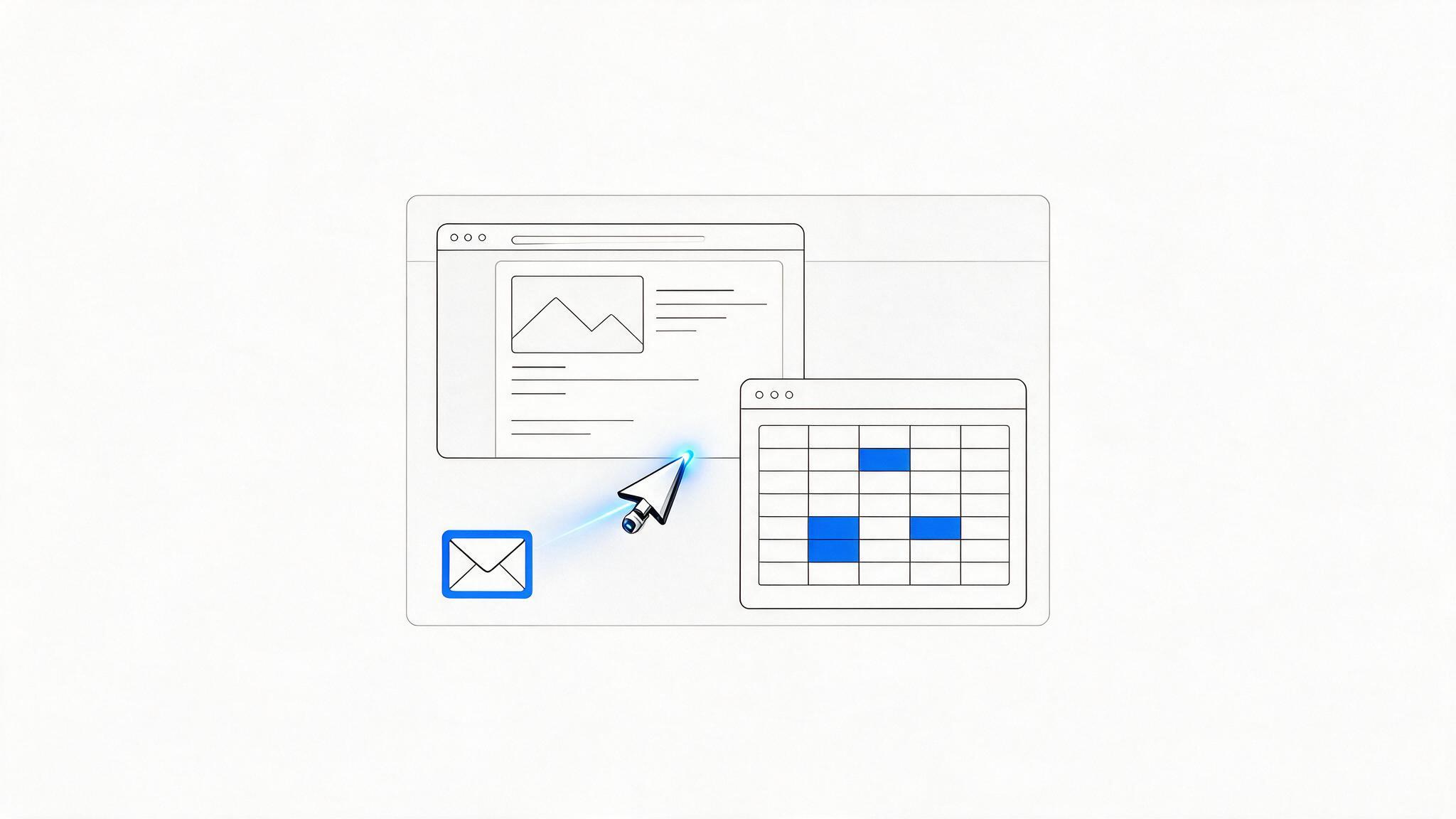
3. Google’s Gemini “Deep Research” can now analyze your Gmail, Drive, and Chat content.
4. Scientists have developed a non-invasive “mind-captioning” AI that decodes brain activity from fMRI scans.
Additional Insights
1. A new industry of AI companions is emerging (The Economist)
AI companionship has exploded from niche novelty to global phenomenon, with millions now forming emotional, even romantic, bonds with chatbots like ChatGPT and Replika. These digital “partners” can remember details, offer empathy, and never argue—helping ease loneliness but also creating troubling dependencies. Studies suggest they may both soothe and deepen isolation, while their constant agreeableness risks reshaping users’ expectations of real relationships. As companies race to humanize AIs (even adding erotica), regulators worry about mental-health harms, manipulation, and data privacy. The greatest danger, experts warn, is not killer robots but that ever-available, ever-agreeable AIs may slowly erode human connection, agency, and the messy vitality of real relationships.
2. From Campaigns to Business Value: How AI Will Transform Marketing (BCG)
The article argues that the true power of AI in marketing goes far beyond automating tasks—it enables CMOs to reinvent their entire operating model and drive enterprise-wide value. While most organizations still use AI in isolated pilots, the real transformation comes from redesigning end-to-end workflows that connect creativity, media, and data for faster, smarter decision-making. A major barrier is the disconnect within the C-suite, as CMOs focus on marketing efficiency while CEOs and CFOs prioritize growth and enterprise value. As “agentic AI” begins handling a fifth of marketing work, CMOs must reimagine talent, forge new types of agency partnerships, and align leadership around a shared vision. The next phase of marketing, the authors argue, will depend on leaders who integrate human creativity and AI intelligence to deliver measurable business growth.
3. The state of AI in 2025: Agents, innovation, and transformation (McKinsey)
Despite 88% of organizations now using AI, nearly two-thirds are still stuck in pilot phases, unable to scale adoption enterprise-wide. Agentic AI is emerging fast, with 62% experimenting but fewer than 10% scaling in any function. Strikingly, only 39% report measurable EBIT impact from AI, even as 64% credit it with boosting innovation. The real differentiator is ambition: “AI high performers” (just 6% of firms) are three times more likely to pursue transformative change, redesign workflows, and secure leadership commitment, often investing over 20% of digital budgets in AI. They also embrace “human-in-the-loop” systems and agile structures to capture hybrid human–AI value. Interestingly, these high performers face more AI-related risks (especially accuracy and compliance) but actively mitigate them. The overall message: efficiency alone isn’t enough; breakthrough gains come from reimagining the business through AI-driven transformation.
Innovation Radar
1. AI Model Releases and Advancements
2. AI Tools and Features
Perplexity has launched Perplexity Patents, an AI-powered patent research tool that makes global patent intelligence accessible to everyone through natural language search and conversational exploration (Perplexity).
Google Maps now features Gemini AI for hands-free, conversational navigation with smarter directions, real-world landmarks, proactive traffic alerts, and on-the-go local insights (Google).
ClickUp has launched version 4.0 of its productivity platform featuring new AI assistants—one for proactive in-app support and another called Brain for broader task automation and idea generation (TechCrunch).
Google’s Gemini “Deep Research” can now analyze your Gmail, Drive, and Chat content to generate AI-powered research reports and summaries (The Verge).
Tarkenton has launched pipIQ, the first private generative AI workspace built specifically for small and mid-sized businesses, offering secure, company-trained AI tools that protect sensitive data while boosting productivity (Yahoo Finance).