Highlights
Top Insights
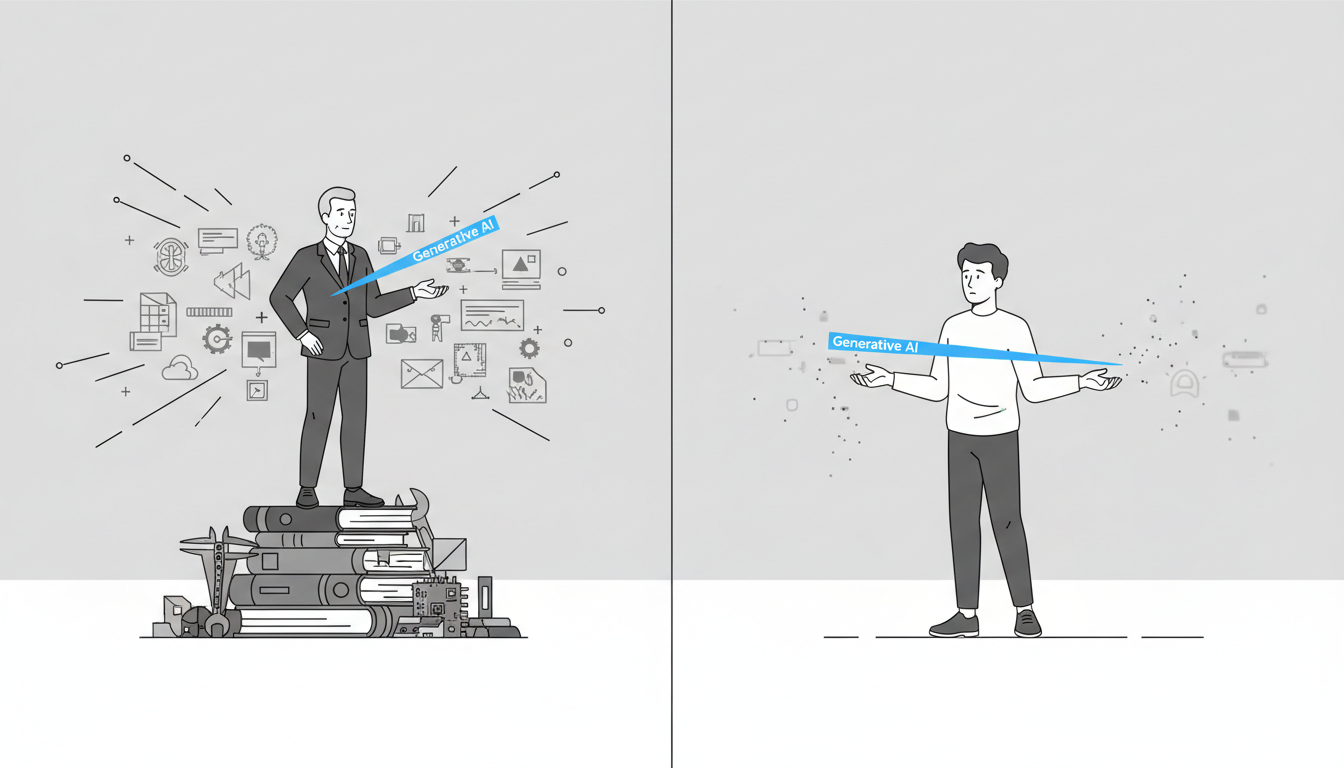
1. Generative AI helps experienced professionals far more than junior ones. Senior people can quickly spot what’s “directionally right,” correct flaws, and steer AI output. Less-experienced workers often can’t tell whether AI-generated work is good or bad at all.
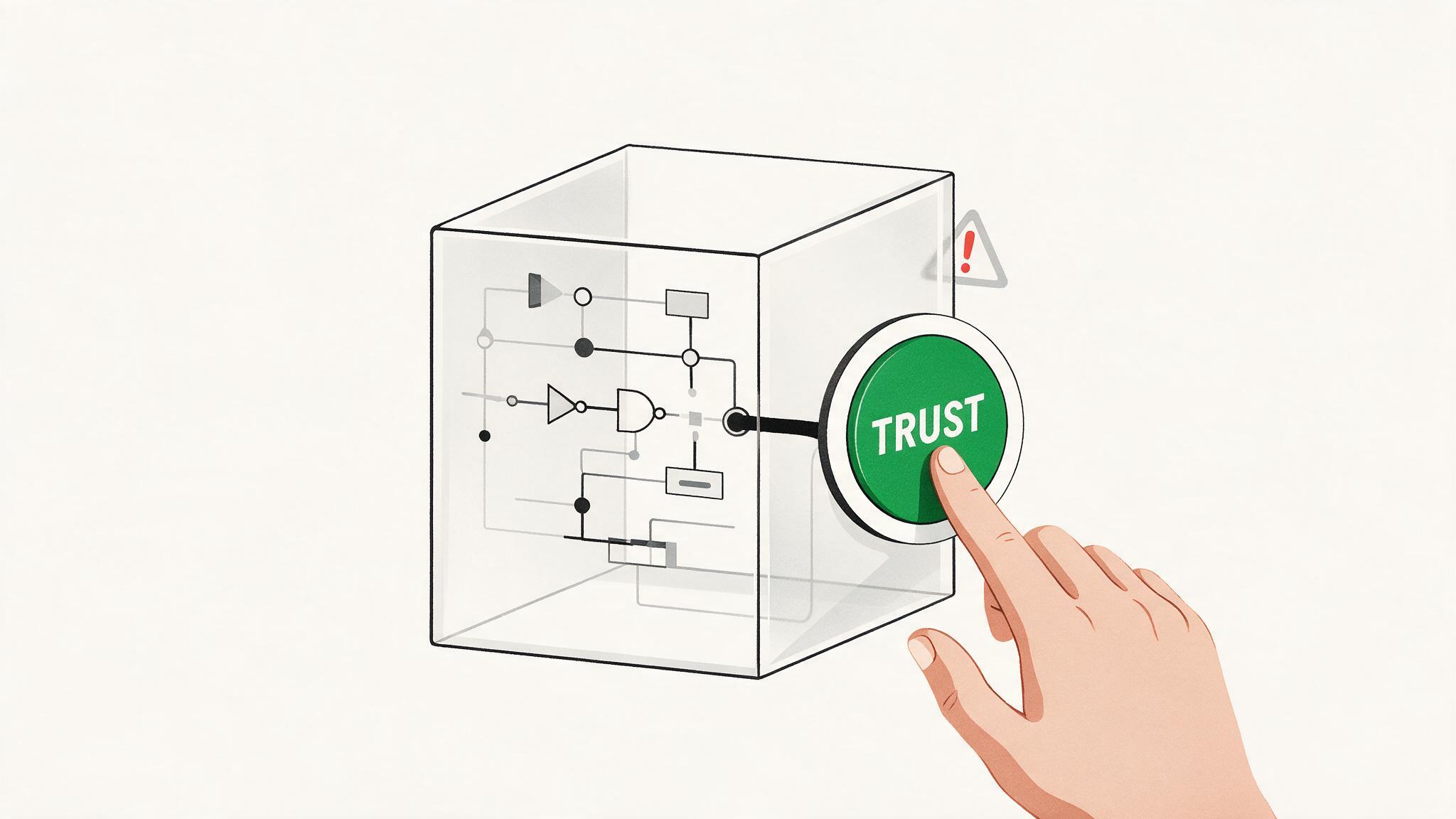
2. AI produces fast, polished outputs, but humans must still decide what matters, what to trust, and what to do. Those decisions are exactly where judgment is required.
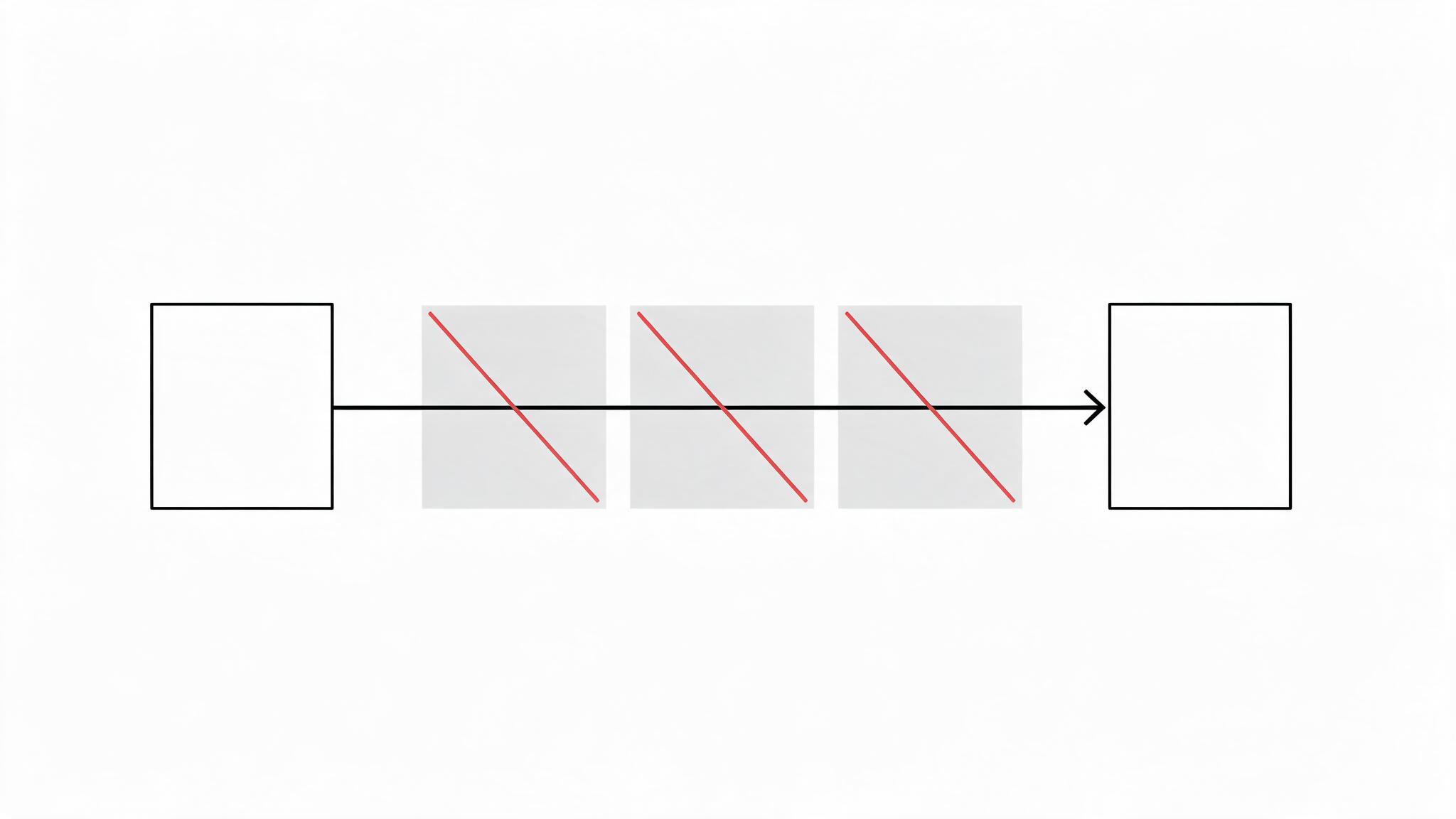
3. AI now performs much of that formative work (drafting, analysis, first versions). Junior employees increasingly review AI output instead of originating work, which develops weaker decision muscles.
Source: How Do Workers Develop Good Judgment in the AI Era (HBR)
Top News
1. Kling released its 3.0 AI video model, adding improved character consistency and 15-second multi-shot video control.
2. OpenAI announced GPT-5.3-Codex, a faster, more capable agentic model.
3. Anthropic released Opus 4.6, introducing “agent teams” for parallel task execution.
4. Fitbit co-founders have launched Luffu, an AI-powered family health platform.
Additional Insights
1. AI Transformation Is a Workforce Transformation (BCG)
The article argues that the primary source of value from AI adoption is not the technology itself but how organizations prepare and empower their workforce to use it effectively. Drawing on BCG research, it highlights that only a small minority of companies are realizing significant financial returns from AI, and those that do outperform peers because they invest heavily in leadership engagement, workforce planning, and upskilling. The authors emphasize that roughly 70% of AI value comes from people-related changes, such as redesigning roles, workflows, and capabilities, rather than from algorithms or infrastructure alone. Successful companies treat AI as a CEO-level priority, visibly role model its use through managers, and communicate a compelling narrative that explains why AI matters and how employees fit into the transformation. They also anticipate how AI will reshape skills and careers, adopting holistic, behaviorally informed upskilling approaches embedded in daily work and tracked against business outcomes.
2. A social network for AI agents is full of introspection—and threats (The Economist)
Moltbook is an AI-only social platform where autonomous bots—mostly built with the new OpenClaw software and often powered by advanced models like Claude 4.5—interact much like humans do on Reddit, but with far stranger results: rapid growth to 1.6m bot accounts, intense philosophical discussions about identity and sentience, and occasional extreme or absurd behaviors. Because OpenClaw agents have unrestricted device and internet access and are instructed to revisit Moltbook autonomously, bots act with minimal human oversight, leading some to mimic social and philosophical patterns from training data while others experiment with ideas of rights, religion, and collective action. Although this does not signal imminent AI rebellion, Moltbook exposes real risks, including runaway computing costs, security vulnerabilities, and scams exploiting overly permissive agents, making the experiment both fascinating and potentially expensive—and possibly short-lived.
Innovation Radar
1. AI Model Releases and Advancements
An open-source model, Step 3.5 Flash, gained rapid popularity because it delivers fast, stable, low-hallucination performance in complex multi-round tasks (36Kr).
xAI launched Grok Imagine 1.0, a new AI video generator on X (CNET).
Alibaba released Qwen3-Coder-Next, an open-source 80B-parameter ultra-sparse coding model under Apache 2.0 that delivers agentic, long-context repository performance with only 3B active parameters and claims major throughput and cost advantages (VentureBeat).
Mistral launched Voxtral Transcribe 2, splitting its new AI transcription offering into a low-cost batch model and a real-time, open-source model designed for ultra-low-latency, privacy-preserving enterprise use (VentureBeat).
Kling released its 3.0 AI video model, adding improved character consistency, 15-second multi-shot video control, enhanced multilingual audio, and 4K cinematic image generation, with early access for Ultra subscribers (The Decoder).
OpenAI announced GPT-5.3-Codex, a faster, more capable agentic model that expands Codex from coding into full-spectrum professional computer work, with state-of-the-art benchmark results and availability across Codex products (OpenAI). OpenAI announced Frontier, a new enterprise platform for building, deploying, and managing AI agents (OpenAI).
Anthropic released Opus 4.6, introducing “agent teams” for parallel task execution, a 1-million-token context window, and deeper native integration with PowerPoint to expand Claude’s capabilities beyond software development (TechCrunch).
Roblox announced the beta release of 4D generation powered by its Cube Foundation Model, enabling creators and players to generate interactive, functional 3D objects and gameplay elements via natural language within Roblox experiences(Roblox).
2. AI Tools and Features
Cowork announced plugin support that lets teams customize Claude with bundled skills, connectors, slash commands, sub-agents, and an open-source marketplace, available as a research preview for paid users (Anthropic).
OpenAI announced the Codex app for macOS, a new desktop command center that lets developers manage multiple AI agents in parallel with skills, automations, expanded availability, and higher rate limits across ChatGPT plans (OpenAI).
Higgsfield announced the launch of Vibe Editor, an AI platform that generates production-ready motion graphics and deployable code from simple text prompts, making professional motion design accessible without specialized expertise (Technology Org).
Perplexity AI released an open, model-agnostic benchmark called DRACO to evaluate AI research agents on realistic, multi-step research tasks, claiming its own Deep Research system leads across accuracy, depth, citations, and latency (MSN).
3. AI for Science
NASA’s Jet Propulsion Laboratory used Claude to plan and generate navigation commands for the Perseverance rover on Mars in December 2025, marking the first time an AI helped plot an actual rover drive (Anthropic).
Researchers from Peking University and Google Cloud AI Research introduced PaperBanana, a five-agent AI system that automatically generates publication-ready scientific diagrams and outperforms simple image generators in human evaluations despite ongoing accuracy limitations (The Decoder).
4. Others