Highlights
Top Insights
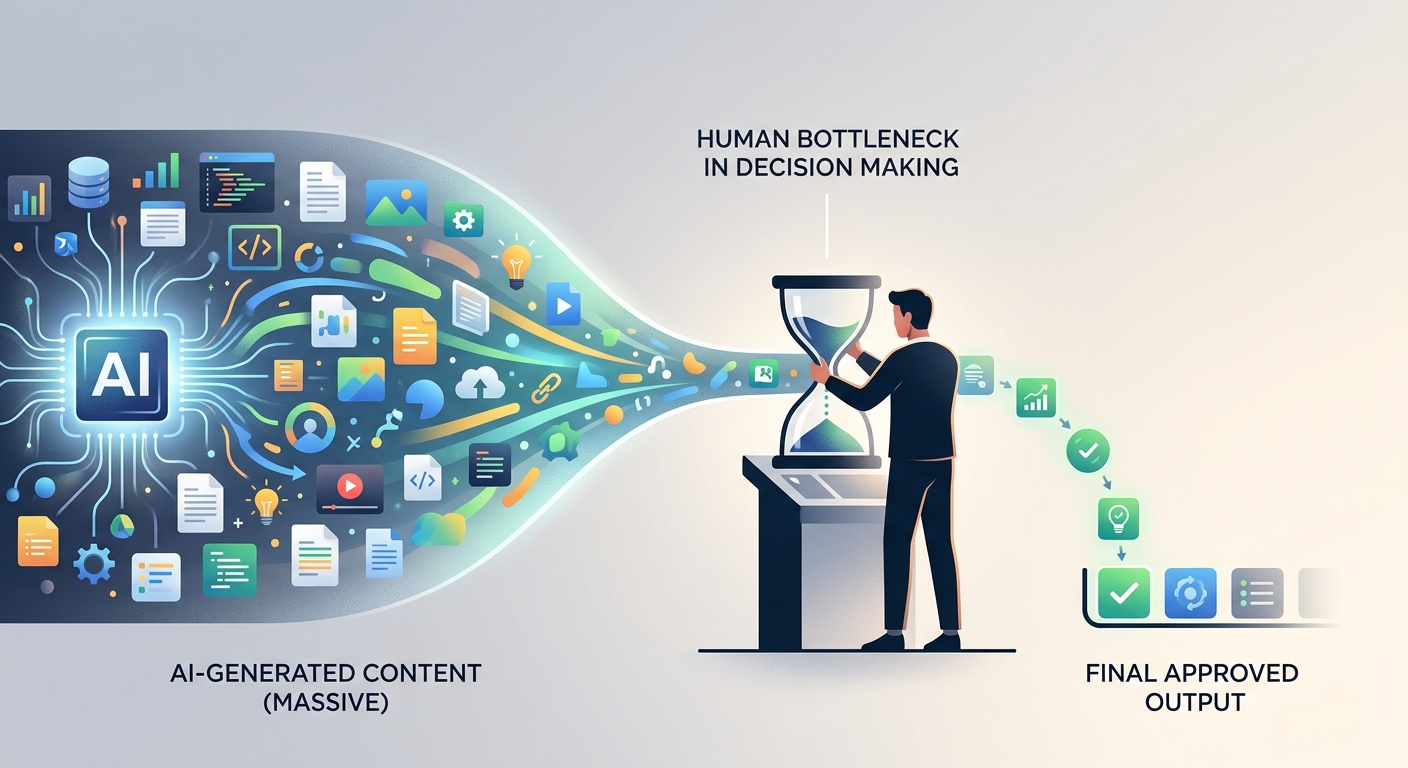
Many companies are stuck in a “micro-productivity trap,” using generative AI for isolated task improvements rather than redesigning how the business creates value.
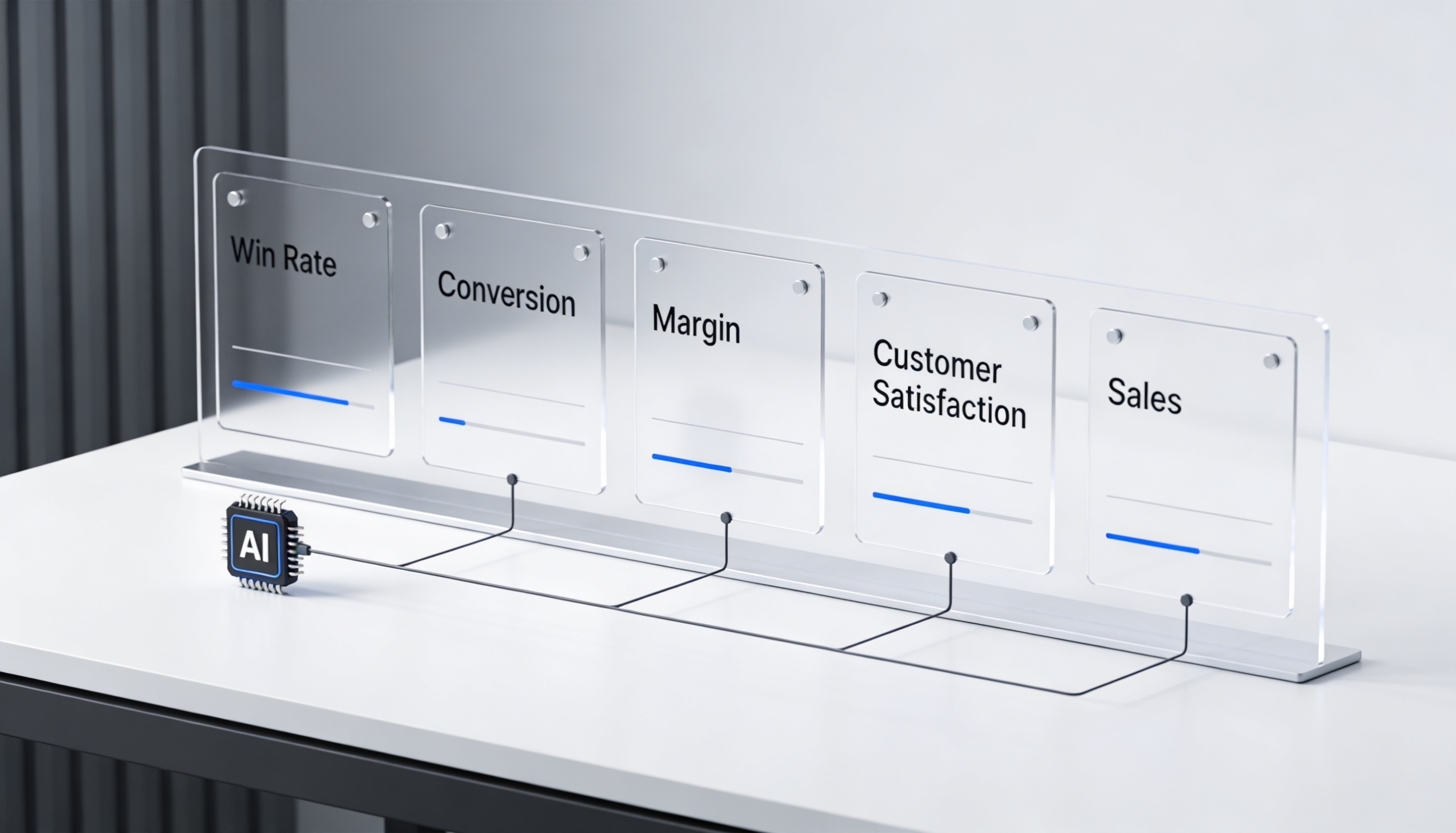
To turn AI experimentation into real transformation, leaders should focus on a few strategically important use cases, rebuild cross-functional workflows around AI instead of simply automating old processes, involve frontline employees who understand where work actually breaks down, and measure results with business-linked metrics such as win rates, conversion, margins, customer satisfaction, and sales rather than vague “productivity” gains.
Source: How to Move from AI Experimentation to AI Transformation (HBR Digital Article)
Top News
1. DeepSeek added V4-Pro and V4-Flash models to its API with standardized interfaces for easier enterprise adoption.
2. Google released managed MCP servers to give AI agents governed access to enterprise systems and data.
3. Microsoft rolled out GPT-5.5 Thinking and ChatGPT Images 2.0 across Microsoft 365 Copilot apps.
4. Amazon introduced a desktop version of Amazon Quick with cross-app integrations and content generation capabilities.
5. Xiaomi open-sourced MiMo-V2.5-Pro, featuring a 1M context window and strong efficiency for agentic tasks.
Additional Insights
1. AI’s Next Operating Model (Bain)
AI is shifting from episodic agents—tools that perform bounded tasks and then “forget”—toward long-running agents that preserve goals, decisions, rationale, unresolved issues, workflow state, and domain knowledge over time. This persistence could make AI more valuable in complex, ongoing work such as procurement, customer escalation, healthcare coordination, financial services, legal matters, and claims, where context loss creates rework and weakens decisions. The authors emphasize that the value of these agents should be measured less by simple task speed or labor savings and more by continuity retained, rework avoided, judgment accumulated, and institutional knowledge preserved. However, persistent agents also raise serious governance questions around memory hygiene, permissions, observability, rollback, data leakage, and ownership of accumulated organizational knowledge—especially if that memory is locked inside a vendor platform.
2. Where AI will create value—and where it won’t (McKinsey)
AI’s biggest business impact will not come from productivity gains alone, because efficiency improvements quickly become table stakes and are often competed away; instead, durable value will come from companies using AI to reshape products, services, business models, and even market structures. There are three waves of AI-driven change: first, productivity improvements that lower costs and improve speed but rarely create lasting advantage; second, differentiation through AI-enabled offerings, proprietary data, faster learning loops, and new business models; and third, the deeper reduction of transaction costs, where AI agents change how customers discover, compare, switch, and buy—potentially reallocating profit pools away from traditional intermediaries toward firms controlling customer interfaces, data, or ecosystems. The key takeaway is that leaders should stop treating AI mainly as an efficiency tool and instead assess where value will move, build defensible AI-powered moats, increase organizational speed, and rewire the business around scalable AI capabilities before competitors lock in the next sources of advantage.
Innovation Radar
1. AI Model Releases and Advancements
DeepSeek added V4-Pro and V4-Flash models to its API with standardized interfaces for easier enterprise adoption (DeepSeek).
Atlassian integrated Claude Opus 4.7 into Rovo Dev, enhancing long-running task handling and software engineering workflows (Atlassian).
OpenAI models including GPT-5.5 became available on AWS Bedrock with Codex and managed agents for enterprise deployment (OpenAI).
Microsoft rolled out GPT-5.5 Thinking and ChatGPT Images 2.0 across Microsoft 365 Copilot apps to enhance reasoning and visual creation (Microsoft).
Xiaomi open-sourced MiMo-V2.5-Pro, featuring a 1M context window and strong efficiency for agentic tasks (Xiaomi).
2. AI Tools and Features
Adobe launched Firefly AI Assistant in public beta to orchestrate multi-step creative workflows across Creative Cloud tools (Adobe).
GitHub introduced an agentic update to Copilot in Visual Studio with cloud agents, debugging agents, and workflow automation features (GitHub).
Google released managed MCP servers to give AI agents governed access to enterprise systems and data (Google Cloud).
Google’s Gemini April Drop added notebooks, a Mac app, music generation, and enhanced personalization features (Google).
Box launched Box Automate to orchestrate AI-powered workflows with document reasoning, agents, and human review loops (Box).
Amazon introduced a desktop version of Amazon Quick with cross-app integrations and content generation capabilities (Amazon).
Microsoft upgraded Copilot in OneNote to understand images, tables, tags, and richer note context (Microsoft).
Microsoft launched a Legal Agent in Word that reviews contracts, generates redlines, and operates within compliance controls (Microsoft).
Google Cloud highlighted Firebase AI Logic for embedding generative AI directly into client-side apps with minimal backend setup (Google Cloud).
3. AI Trends
Atlassian reported an “AI fragmentation tax,” where widespread AI usage fails to translate into workflow integration and coordination (Atlassian).
OpenAI introduced Symphony, turning project management systems into orchestration layers for coding agents (OpenAI).
Anthropic partnered with NEC to deploy Claude across 30,000 employees and build industry-specific AI systems (Anthropic).
Samsung Semiconductor reduced vendor assessment time by 90% using Box AI Agents for compliance workflows (Box).
4. AI for Science
Researchers developed an AI model to improve tissue-selective mRNA delivery, addressing a key bottleneck in therapeutics (Nature Biotechnology).
MatterChat introduced a multimodal LLM for materials science combining structural and textual data (Nature Machine Intelligence).
A decision-aware machine learning system improved allocation of essential medicines in real-world deployment (Nature).
SPARK introduced an agentic AI framework for cancer pathology that generates clinically relevant insights from data (Nature Medicine).
Reti-Pioneer demonstrated a retinal imaging AI system for rapid, low-cost screening of multiple diseases (Nature Medicine).
5. Other
Researchers achieved a new perovskite solar-cell efficiency milestone with improved scalability potential (Nature).
A clinical trial showed stem-like immune cells may offer more effective and less toxic cancer treatments (Nature).
Scientists used AI-guided redesign to reduce a bacterial genetic requirement from 20 amino acids to 19 (Nature).
The FDA approved the first gene therapy for genetic deafness, marking a milestone in treatment innovation (Nature Biotechnology).