
Highlights
Top Insights
There are two paths in software work: traditional design-to-engineering handoff versus designers directly translating ideas into code. At Lovable, the second path often wins because it preserves fidelity and speeds up iteration. Lovable’s design team is not just making mockups; designers are directly turning ideas into working code. The standout signal is that one designer with this hybrid skill set can replace the coordination burden of a much larger team.
Lovable’s team describes moving from customer insight to tangible iteration in minutes. Because LLM-driven work has fewer sunk costs, teams can test, discard, or double down quickly.
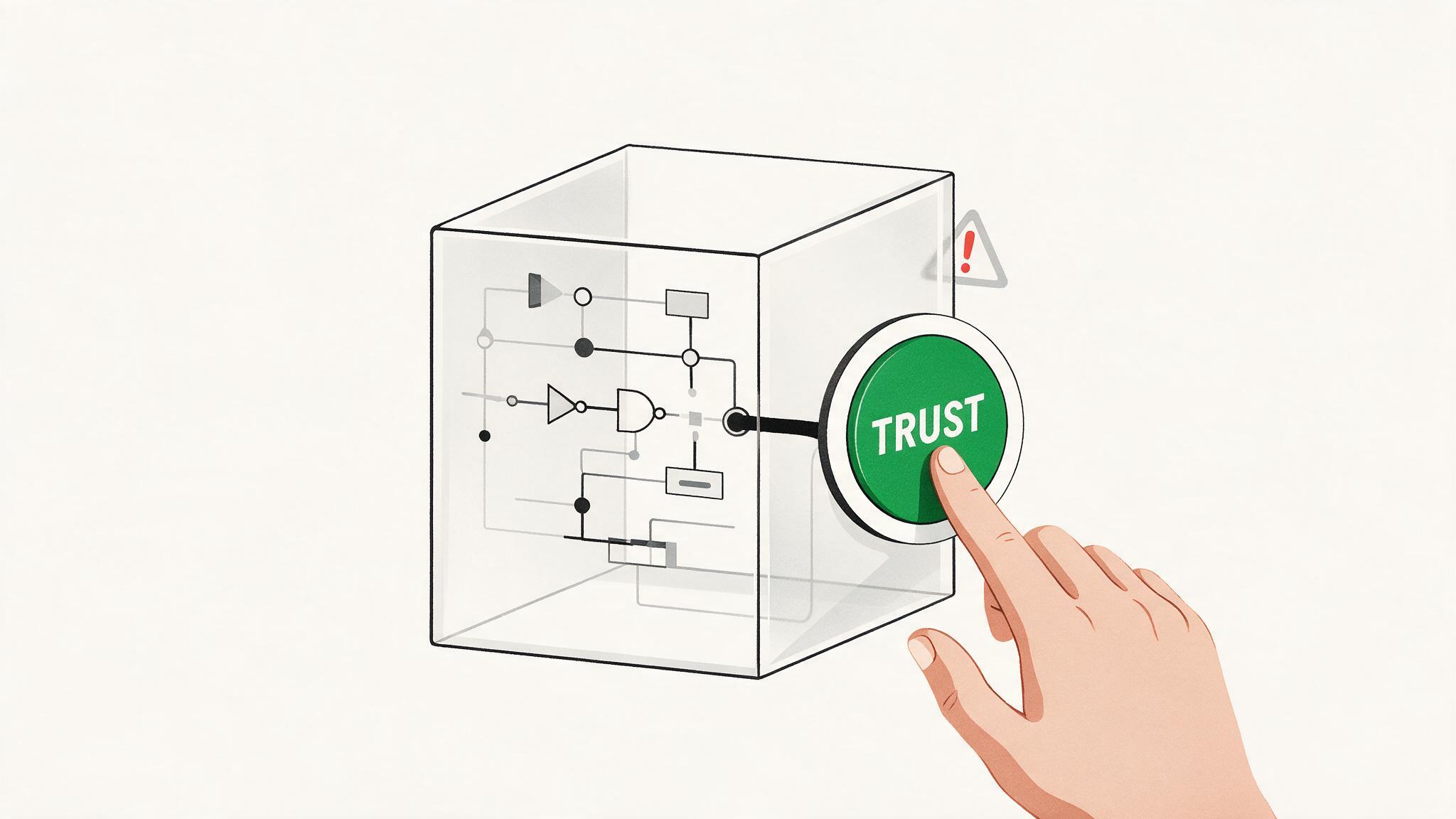
Lovable found that critic agents are more useful when they ask questions instead of making declarative judgments. This reduces AI sycophancy and keeps humans accountable.
Source: “Building the last piece of software” (IDEO)
Top News
1. Intuit announced QuickBooks Workforce, an AI-native human-capital-management platform.
2. Google introduced Deep Research Max, an autonomous AI research agent.
3. Google Vids now allows users to make 10 videos per month for free.
4. Google introduced Gemma 4, an open model with advanced reasoning and agentic workflow capabilities.
5. OpenAI launched GPT-5.5 Instant as ChatGPT’s new default model.
Additional Insights
1. 3 Ways AI Can Free Organizations from Legacy Workflows (HBR)
AI can help organizations escape legacy workflows by making “organizational forgetting” more objective and less political: the article argues that companies often struggle not because they lack new capabilities, but because outdated metrics, identities, and customer assumptions keep shaping decisions after they stop matching reality. Through examples in retail, software, and financial services, the authors show AI exposing obsolete KPIs, contradictory brand messaging, and false customer myths by analyzing large volumes of operational data, documents, and behavioral evidence. The core insight is that AI’s strategic value is not just improving existing processes, but revealing when those processes no longer make sense—helping leaders retire what is outdated and build a stronger case for change.
2. The “AI Job Apocalypse” Is a Complete Fantasy (a16z)
The article argues that fears of an “AI job apocalypse” rest on the lump-of-labor fallacy: the mistaken belief that there is a fixed amount of work, so every task automated by AI must permanently displace a human worker. Drawing on historical examples like farm mechanization, electrification, spreadsheets, and online travel booking, the author argues that productivity shocks usually reallocate labor, expand markets, create new industries, and raise the value of augmented workers rather than causing economy-wide unemployment. The piece concedes that AI will eliminate or compress some roles, especially routine clerical or entry-level work, but says current evidence mostly shows limited net employment impact, task reshuffling, and possible growth in AI-augmented roles such as software engineering, product management, robotics, and data-center-related trades. Its central claim is that cheaper intelligence will not end knowledge work; it will push humans toward higher-order work, new firms, new industries, and forms of demand that are hard to imagine today.
3. The New Rules of Customer Experience in the Age of Agents (BCG)
AI agents are reshaping customer experience by shifting shopping from channel-based journeys to fluid “moments” across stores, social media, search, marketplaces, and large language models. As AI-enabled shopping surged during the 2025 holiday season, brands risk losing control of the customer relationship unless they adapt around five new rules: being present in AI-driven discovery, offering useful guidance through owned agents and tools, turning physical stores into immersive “live layer” experiences, maintaining continuity so customers do not have to repeat themselves, and building trust through transparency, control, integrity, and accountability. To stay relevant, brands should audit their visibility in AI answers, strengthen owned digital and physical experiences, equip frontline teams, connect fragmented journeys, and establish clear principles for data and AI use.