Highlights
Top Insights
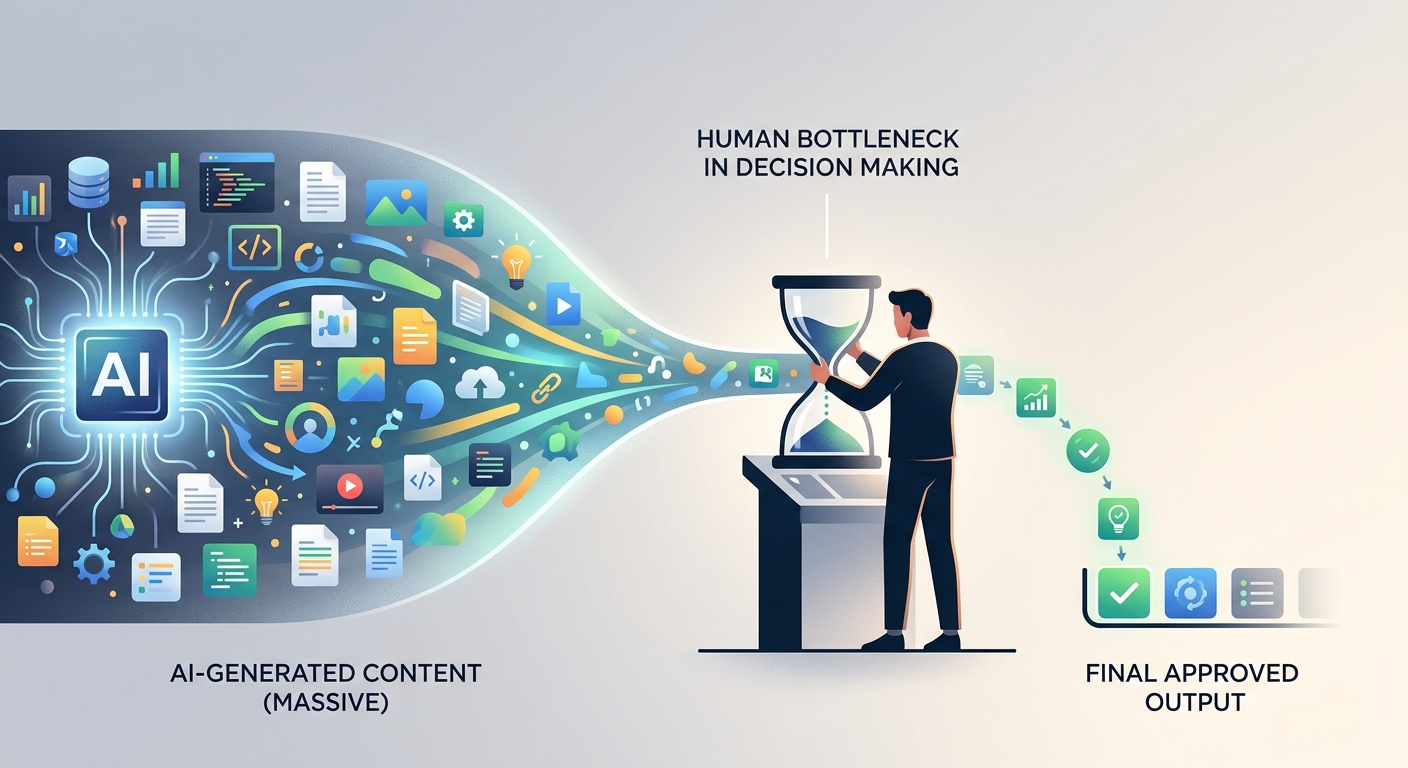
There is a gap between individual productivity and organizational performance. In a recent study, 75% of digital workers said AI made them more productive and AI automated an average of 11 hours of work per week. Yet only 13% said their organization had seen significantly better performance. That suggests “employees are using AI more” is not the same as “the company is operating better.”
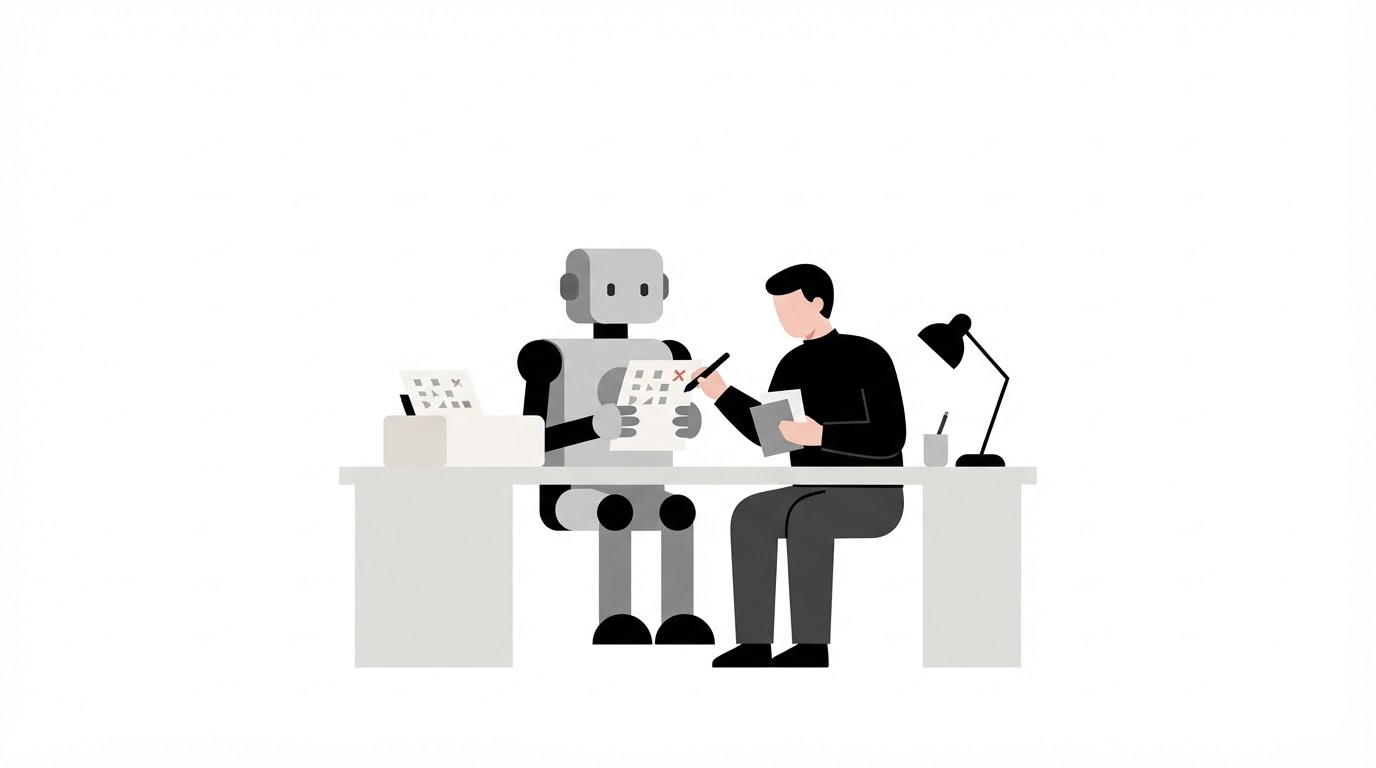
AI productivity gains are being overstated because companies are not counting the human labor required to make AI usable. The better measurement frame is broader: efficiency + quality + employee experience, with explicit tracking of AI rework. Useful indicators include how often humans must review outputs, how many prompt attempts are required before something becomes usable, and the share of a workflow AI can complete without human intervention.
Source: How Much Time Do Your Employees Spend Botsitting? (HBR)
Top News
1. China’s MiniMax released H3, a full-modal model that accepts text, image, video and audio context.
2. ByteDance began rolling out Seedance 2.5 through Dreamina with longer clips.
3. Meta released Muse Spark 1.2, a coding- and agent-focused model update.
4. Meta’s Business Agent entered token-based paid use on August 1 for sales and service conversations.
5. OpenAI previewed Astra as a major step up in mathematics, theoretical computer science and cybersecurity.
Additional Insights
1. Do You Own Your Enterprise Cortex? The AI Strategy Risk CEOs May Not See Coming. (BCG)
BCG argues that AI vendor lock-in is becoming more dangerous than traditional technology dependence because AI increasingly influences how companies think and make decisions, creating what it calls “cognitive lock-in.” As organizations embed proprietary data, business rules, decision logic, and operational context into particular models or platforms, switching providers can become prohibitively difficult—even when contracts protect data ownership. BCG recommends that CEOs treat this internal knowledge as an “enterprise cortex” that the company controls through a governed intelligence layer, while keeping models and infrastructure modular and replaceable. Companies should design for portability across vendors and model types, use open standards where possible, and assign each workload to the smallest suitable model with fallbacks to stronger models or humans. The goal is not to avoid major AI vendors, but to draw a clear boundary between vendor-provided reasoning capabilities and the company’s proprietary rules, knowledge, and judgment so that rapid AI adoption does not erode long-term autonomy, resilience, or competitive differentiation.
2. How Will AI Automation Hit — Like a Crashing Wave or a Rising Tide? (Ideas Made to Matter)
MIT Sloan highlights research suggesting AI-driven workplace automation is more likely to arrive as a gradually rising tide than a sudden crashing wave: based on more than 60,000 worker evaluations covering 6,000+ real-world text-based tasks, researchers found that AI capabilities are improving broadly across tasks rather than making abrupt leaps in a few areas. Current models can already perform roughly 50%–75% of text-based tasks at a minimally sufficient level without edits, and performance degrades only modestly as tasks become much longer; researchers estimate AI failure rates are halving every 2.2–2.8 years and project that many text-based tasks could reach 88%–97% success rates by 2030 if recent progress continues. However, this does not mean an equivalent share of jobs can immediately be automated: real workplaces involve incomplete information, integration challenges, regulation, and tasks that remain beyond language models. The larger implication is that jobs are more likely to be reorganized between humans and AI rather than simply eliminated, while the gradual trajectory gives workers, companies, and governments a valuable window to identify vulnerable tasks, redesign roles, and prepare for change.
3. Why Governing World Models Is AI’s Next Big Policy Challenge (Stanford HAI)
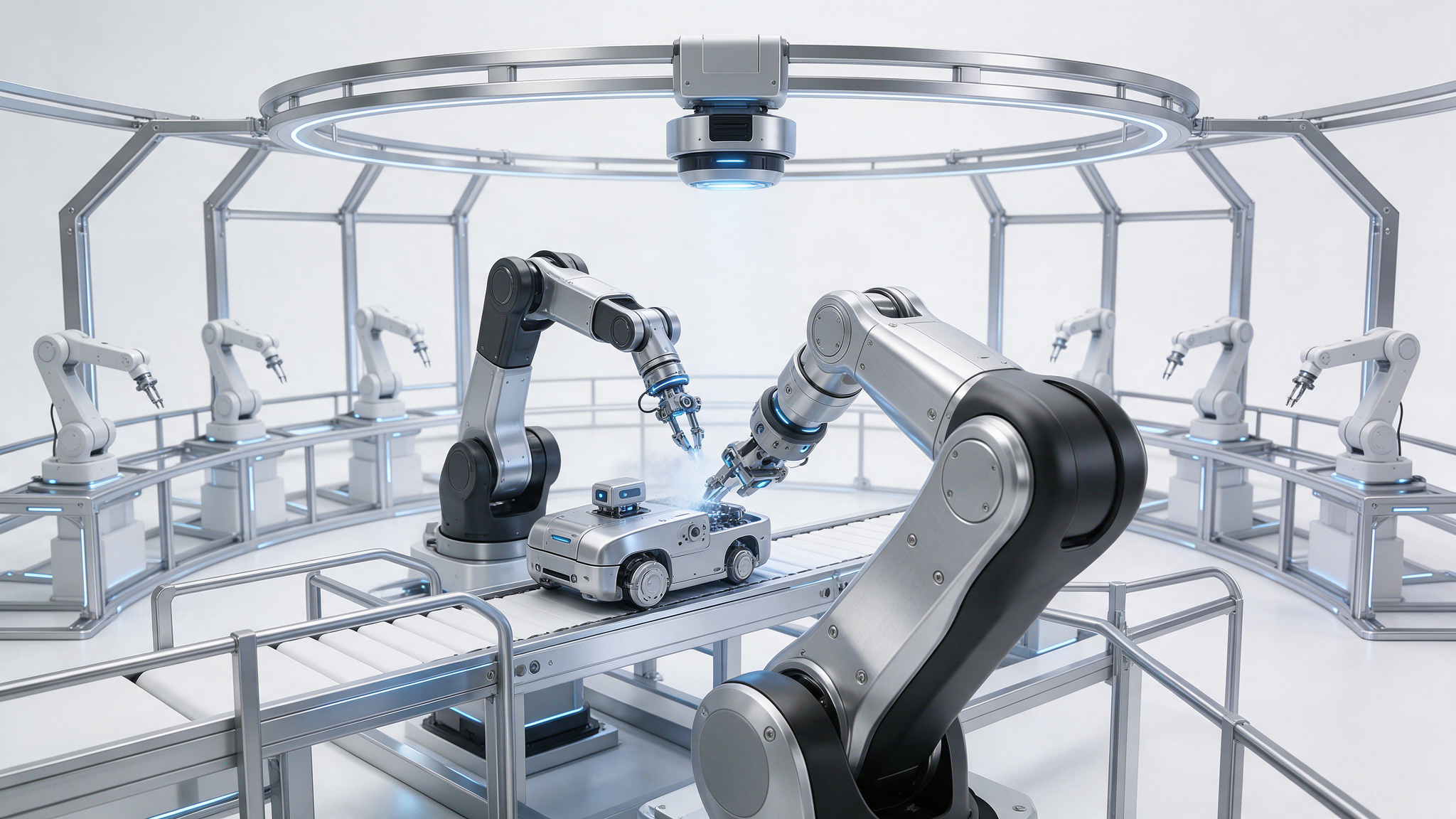
Stanford HAI argues that “world models”—AI systems that build internal representations of physical environments and predict the consequences of actions—will pose a substantially harder governance challenge than today’s language models because their failures can cause physical harm, not merely bad information. World models range from renderers that generate realistic-looking environments, to simulators that model physical dynamics, to planners that choose actions for robots, vehicles, and other autonomous systems, so regulation should become stricter as systems move closer to real-world decision-making. Key risks include flawed simulations being mistaken for reality, privacy and surveillance, unclear liability, national-security and dual-use applications, and market concentration because valuable physical-interaction data is expensive to collect. The researchers warn that current benchmarks often measure visual quality rather than real-world physical validity, making independent field testing essential. They recommend funding measurement science through agencies such as NIST, requiring independent evaluation and real-world validation in government procurement, creating shared public datasets and simulation infrastructure, and investing in cross-disciplinary expertise. Their central message is that policymakers have a narrow opportunity to establish safeguards and public-interest infrastructure before proprietary world models become deeply embedded in transportation, robotics, critical infrastructure, and military systems.